LedgerLite SG LedgerLite SG Cloud accounting for sole traders
A shophouse back-office desk at eight in the morning, lit by a single raking lamp, with an open ruled ledger sheet on the matte desktop.

LedgerLite SG · Singapore sole traders

Your morning ledger, ruled and stamped.

A plain summary of what IRAS expects a sole proprietor to keep, and how the statement of accounts is prepared.

Record keeping · The basics

This page helps you organise the book, not replace the official guidance. Anything specific to your situation is worth checking against IRAS directly.

Starting late is the most common reason a first filing becomes a reconstruction job. Records begin with the business, not with the tax form — the first sale and the first business purchase, even in a year too small to owe tax.

See how setup works One cloud plan, no accountant required.

Where the records actually start

Four steps you can hold in your head. They are the same whether you sell services from a desk or sell online from a stall.

  1. 1

    Open the book on day one

    IRAS guidance expects full and accurate records and accounts from the start of business. That means the first sale and the first business purchase — not the first time you owe tax.

  2. 2

    Keep the entry with its document

    An invoice or receipt supplies the meaning of a payment; a bank statement on its own only shows that money moved. Keep the two together so the reason survives the year.

  3. 3

    Categorise as you capture

    Adjusted profit is what remains after allowable business expenses are deducted, so the category on a receipt earns its keep. Personal spending that ran through the business account does not qualify.

  4. 4

    Reconcile weekly, not annually

    Check the period total against your bank lines before you file. That one habit covers the obligations on this page without a separate filing cabinet.

Two lines or four — the statement of accounts

Self-employed people, sole proprietors and precedent partners must prepare a statement of accounts, described as comprising a Profit and Loss Account and a Balance Sheet. It must still be prepared even if it is not immediately submitted.

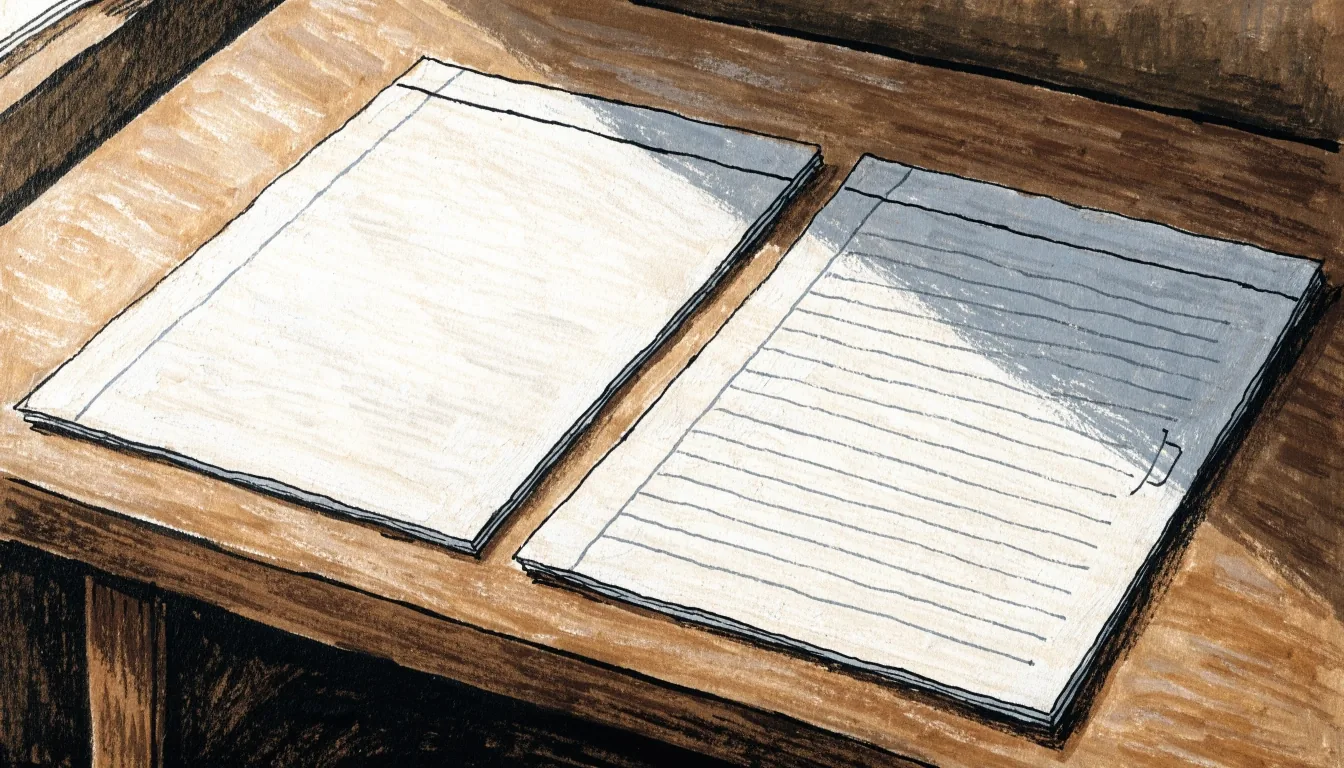
Two ruled sheets side by side on a warm desk, one shorter than the other, illustrating the two-line and four-line statement of accounts.

The two-line statement

Revenue and adjusted profit

The shorter route. It suits smaller businesses that qualify to use it. The word "line" refers to the number of figures reported — not to how many transactions you keep.

Your ledger underneath stays complete either way: the two-line statement simply needs a clean income total and a clean expense total.

Reported figures

2

The four-line statement

Capital allowances on top

The four-line statement adds the capital allowance lines — the opening and closing allowances in the period — and arrives at the profit figure with those included.

Sole traders who bought equipment or a vehicle for the business usually land here more often, because the allowance has to be shown somewhere. The choice is tied to your revenue for the year — confirm the threshold against current IRAS guidance rather than an old article.

Reported figures, including the allowance lines

4
What counts as a record

The standard set appears unchanged across the guidance for hawkers and for online sellers. Each row below is a document type most sole traders will actually touch.

Invoices

What you issued and to whom. The invoice is what supplies the meaning of an incoming payment — the route from a lump of money to a service or good.

Receipts

What came in on a business purchase. The receipt is the document that supports an expense — without it, an expense is a number with no reason behind it.

Payment vouchers

Cash, transfer or card slip. Useful when money left the till by hand and no invoice ever existed — the voucher records that it happened.

Bank statements

A statement shows money moved. On its own it does not show what a payment was for, which is why it sits beside the invoice or receipt rather than replacing it.

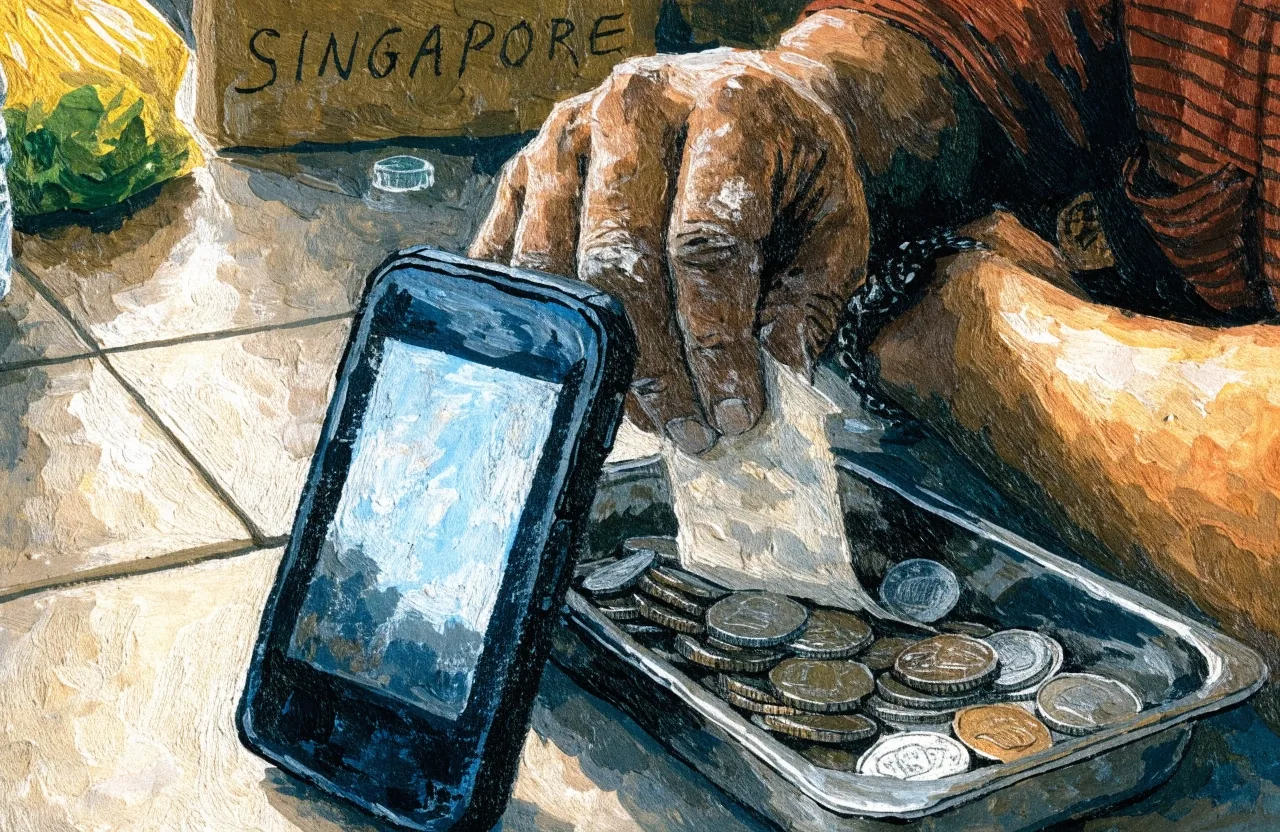
A hand and forearm checking a paper receipt beside a phone on a warm-lit desk.

How long to keep them, and what counts against profit

Three practical questions come up around this point in the book: how long documents must stay, which expenses come off the income, and where GST sits in the picture.

Retention

Five years, from the relevant Year of Assessment

The retention period is five years, counting from the relevant Year of Assessment, and it applies equally to a service business and to a cash-heavy stall. Five years is long enough that paper alone becomes fragile.

That is one practical argument for keeping the documents in the same place as the entries they support, so the meaning of a payment is still legible when a record is checked.

A note on both plans

The five-year rule does not change because you use the two-line statement instead of the four-line one. The reporting shape is a revenue question; the retention rule underneath is the same in both cases.

Allowable business expenses

The expense must earn the income

Adjusted profit is what remains after allowable business expenses are deducted. The deduction depends on the expense being incurred in producing the income and being supported by documents such as invoices and receipts.

Personal spending that ran through the business account does not qualify. Reconstruct what you cannot support, and start the practice today so the next period is cleaner.

GST

A separate question from income tax records

Registering for GST depends on your taxable turnover crossing the threshold, and it is a different obligation from income tax record keeping. A small sole proprietor below the threshold does not register, but the records above still apply.

If your turnover is climbing, check the current threshold before the year closes rather than after.

An open ring binder on a desk, viewed at an angle, showing a ruled page and a leather tab.

Questions that come up before filing

Does the statement of accounts go to IRAS with my return?

The accounts must be prepared even when they are not submitted immediately. Keep them ready and complete, and follow the current filing instructions for what your return requires you to send.

Can I estimate my expenses if I lost the receipts?

No. Expenses need to be supported by documents such as invoices and receipts, which is why capture at the point of payment matters. If documents are missing, reconstruct where you can and keep the practice current going forward.

Do I need a Balance Sheet if I am very small?

The statement of accounts is described as comprising a Profit and Loss Account and a Balance Sheet. Whether you use the simplified two-line or four-line statement instead depends on your revenue for the year.

This page is a plain-language summary, not legal or tax advice. Confirm your own position against current IRAS guidance before you file.

The routine that makes either statement easy

Keep the entry and the document together, categorise at the point of capture, reconcile weekly rather than annually, and check the period total against your bank lines before you file. That covers the obligations described here without a separate filing cabinet, and it is the same routine whether you sell services or sell online.

More detail on setup on the how-it-works page.